+49 8552 974971-0
anfrage@thinktec.bayern
Shift by layer to success
The revolutionary manufacturing technology
Additive manufacturing, which is also known colloquially as 3D printing, is the generic term that includes a variety of different 3D printing processes. What all processes have in common is the construction of components in layers.

As a result of the rapid development of this manufacturing technology, additive manufacturing is now also suitable for the production of end products.

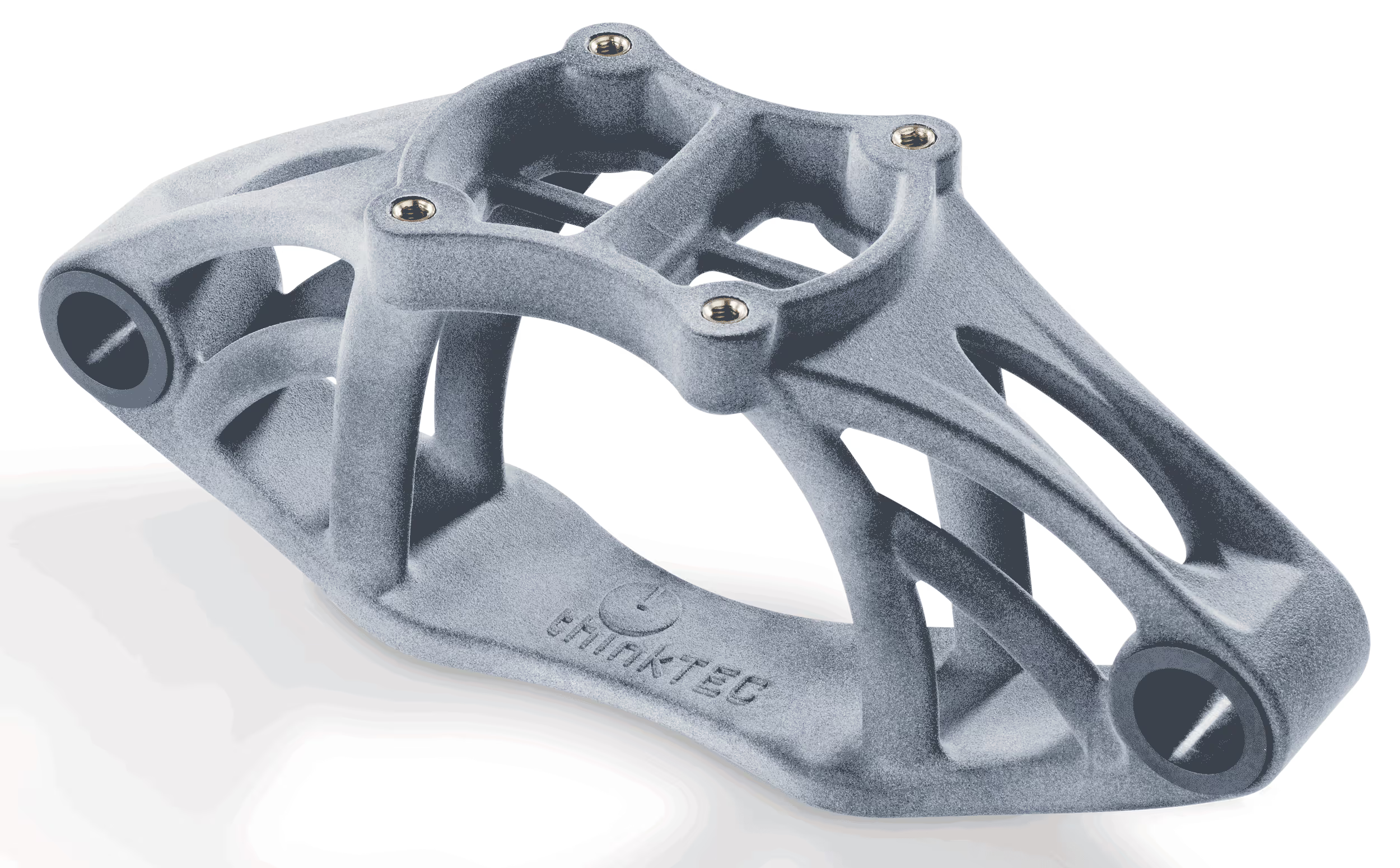
Compared to known manufacturing processes, there are in particular new design freedoms, which can be used, for example, in optimization with regard to lightweight construction, functional integration or variant production.
Benefits at a glance

Variant production

Is this component also available in another size? Thanks to additive manufacturing, variant manufacturing is no longer a problem. Where in the past it was necessary to create new tools or change programs, it is now sufficient to adapt the 3D CAD model.

functional integration

All components fulfill a function. Thanks to additive manufacturing, many functions can be integrated directly into the part. For example, fluid channels, rest functions or various movement sequences can be implemented at no additional cost.

Consolidation of assemblies

Complex systems consist of many components — additive manufacturing makes it possible to combine several components in one part. This lowers costs along the entire process chain.

Unlimited freedom of forms & complexity

undercuts, curved holes, freeform surfaces.
Additive manufacturing opens up completely new design options. As a result, products can be optimally designed in terms of design and functionality.

Speed due to tool-free production

Series production can start immediately. There is no need for time-consuming tool manufacturing and tool testing, meaning that product introduction times are significantly reduced.
Which process is suitable for my application?
Do you already have an application and are unsure which process is right for you?
Talk to us — we'll find the right solution together.
contact us
The production facilities
State-of-the-art manufacturing facilities
Regardless of whether it is an individual piece or profitable series production — thanks to state-of-the-art manufacturing systems and various manufacturing processes, we are able to meet the needs of our customers.

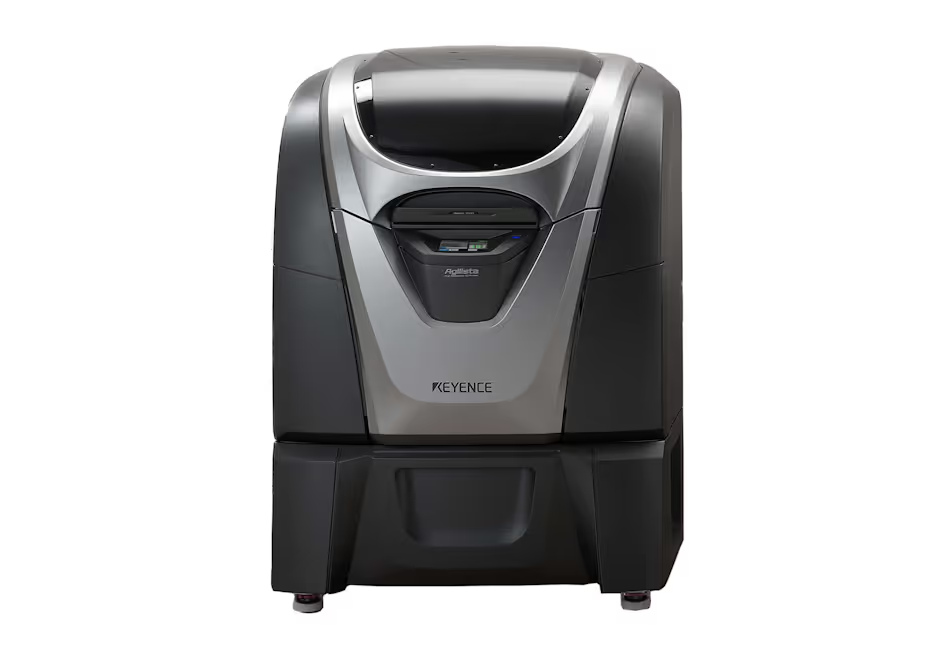
We specialize in FFF, INKJET and multi-jet processes and are therefore prepared for many industries and areas of application.
Application examples
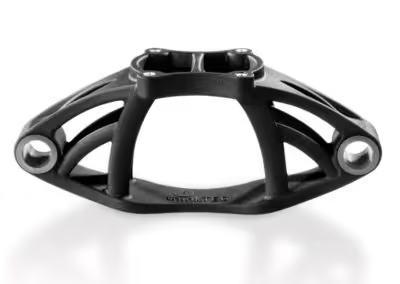
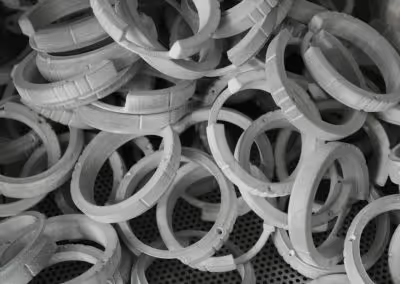
camera zoom rings
additively manufactured from PA12
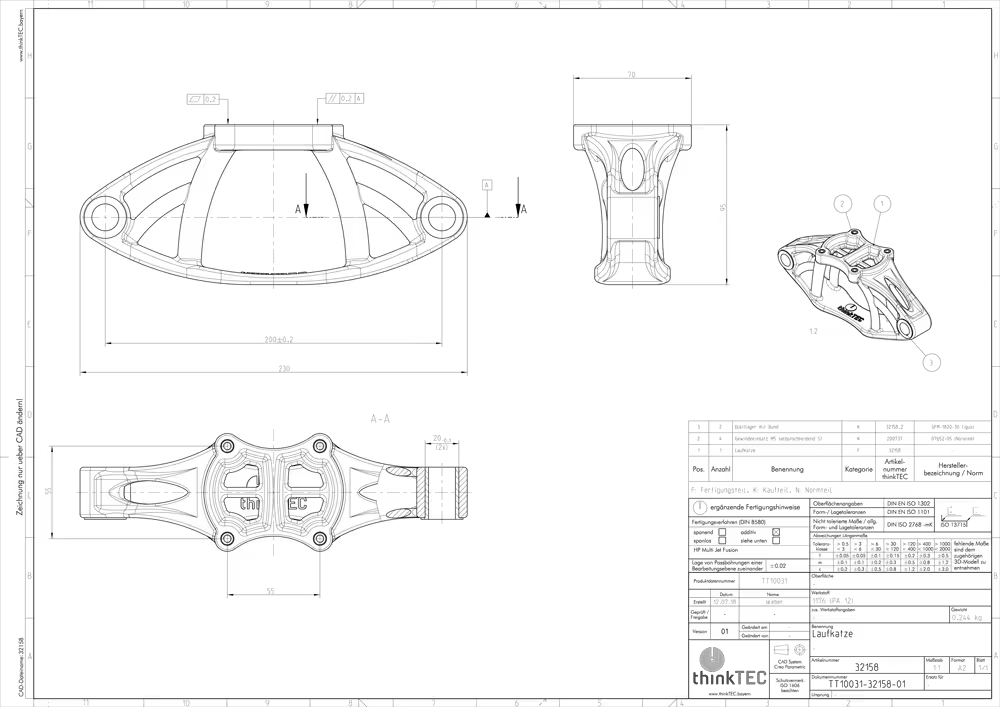
Trolley
additively manufactured component — trolley
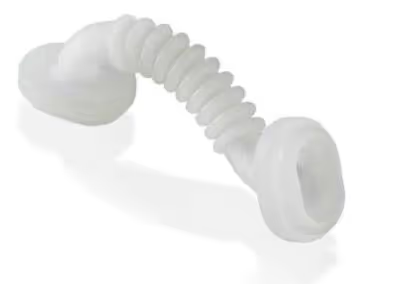
silicone cuff
Silicone cuff from a 3D printer
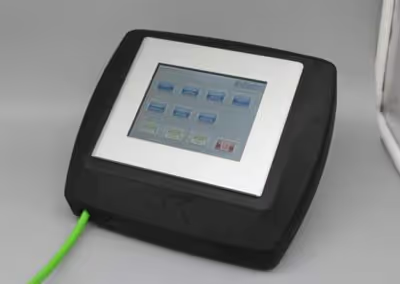
Touch panel housing
additively manufactured housing for a touch panel
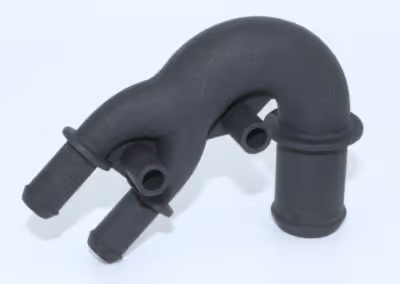
PA12 distributor finger
distributor finger for cooling water
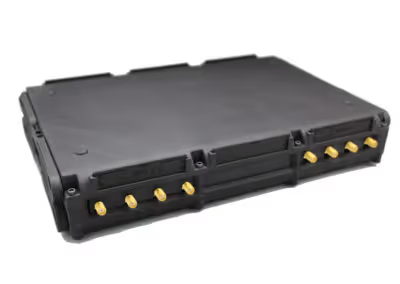
Circuit board housing
housing with integrated feet
PA12 mounting aid
Assembly aids for bicycle brake levers
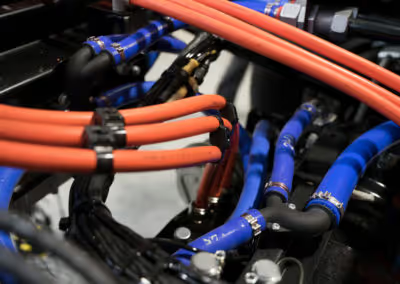
Verteilerfinger
distributor finger, mounted in engine compartment
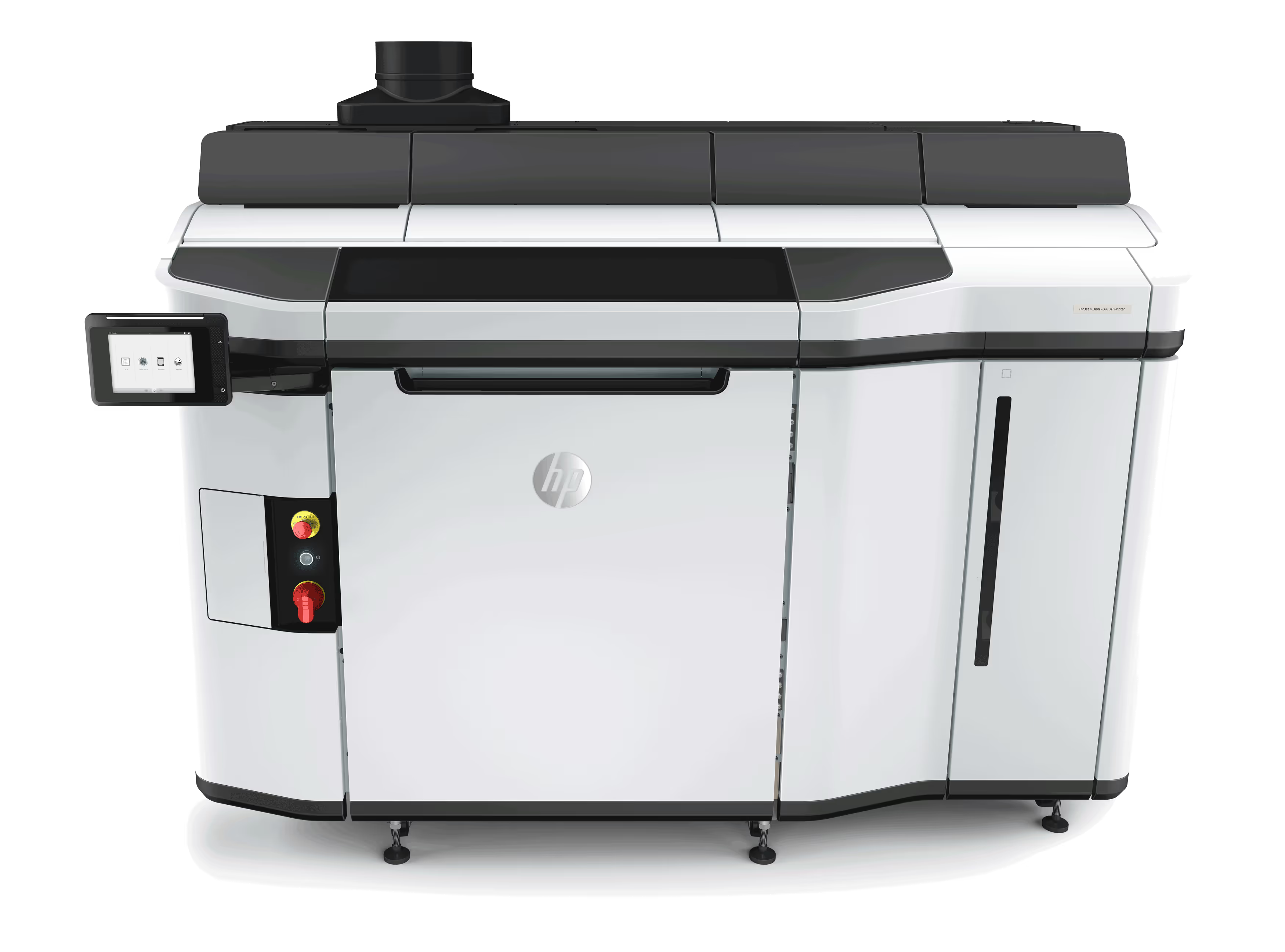
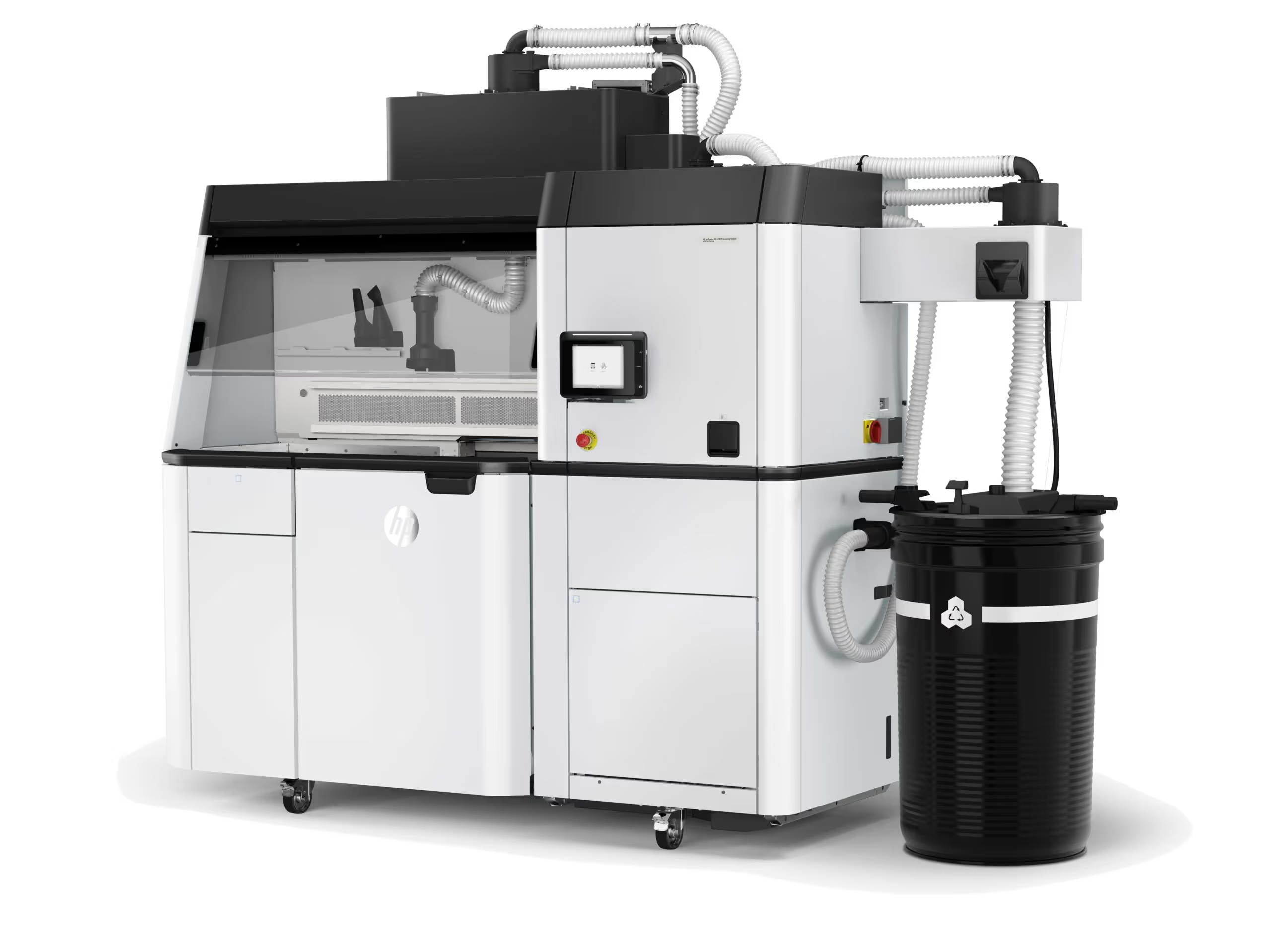
Multi Jet Fusion
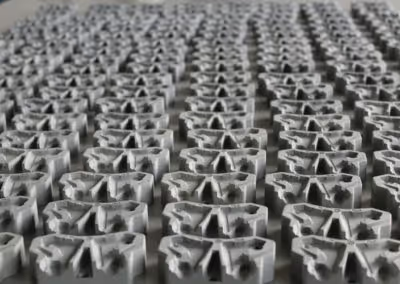
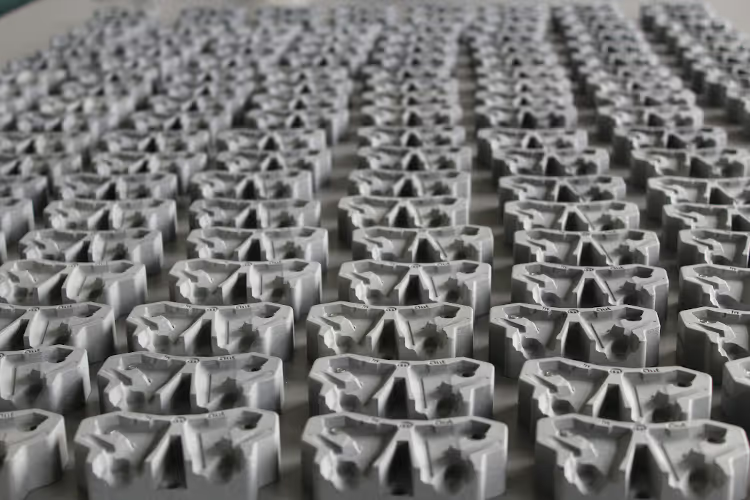
The HP MJF process is based on a powder bed-based additive manufacturing method. It starts with a thin layer of powdered material, typically polyamide (nylon).

A print head applies two types of liquids (agents) to the powder bed:

1. Fusing agent: This liquid is applied where the powder is to be fused.

2. Detailing Agent: This liquid is applied to the edges of the areas to be fused to ensure sharp and precise edges.

After applying the agents, the powder is heated with an infrared lamp.

The fusing agent absorbs heat and fuses the powder into a solid material, while the detailing agent ensures that the edges remain precise. This process is repeated layer by layer until the entire object is built up.
benefits
velocity
Since the print head can process large areas at the same time, the process is significantly faster than many other 3D printing methods.
cost efficiency
As a result of efficient material consumption and fast production time, manufacturing costs per part are often lower than with conventional manufacturing methods
Diversity of materials
In addition to polyamide, other materials such as flexible plastics and high-performance polymers can also be used
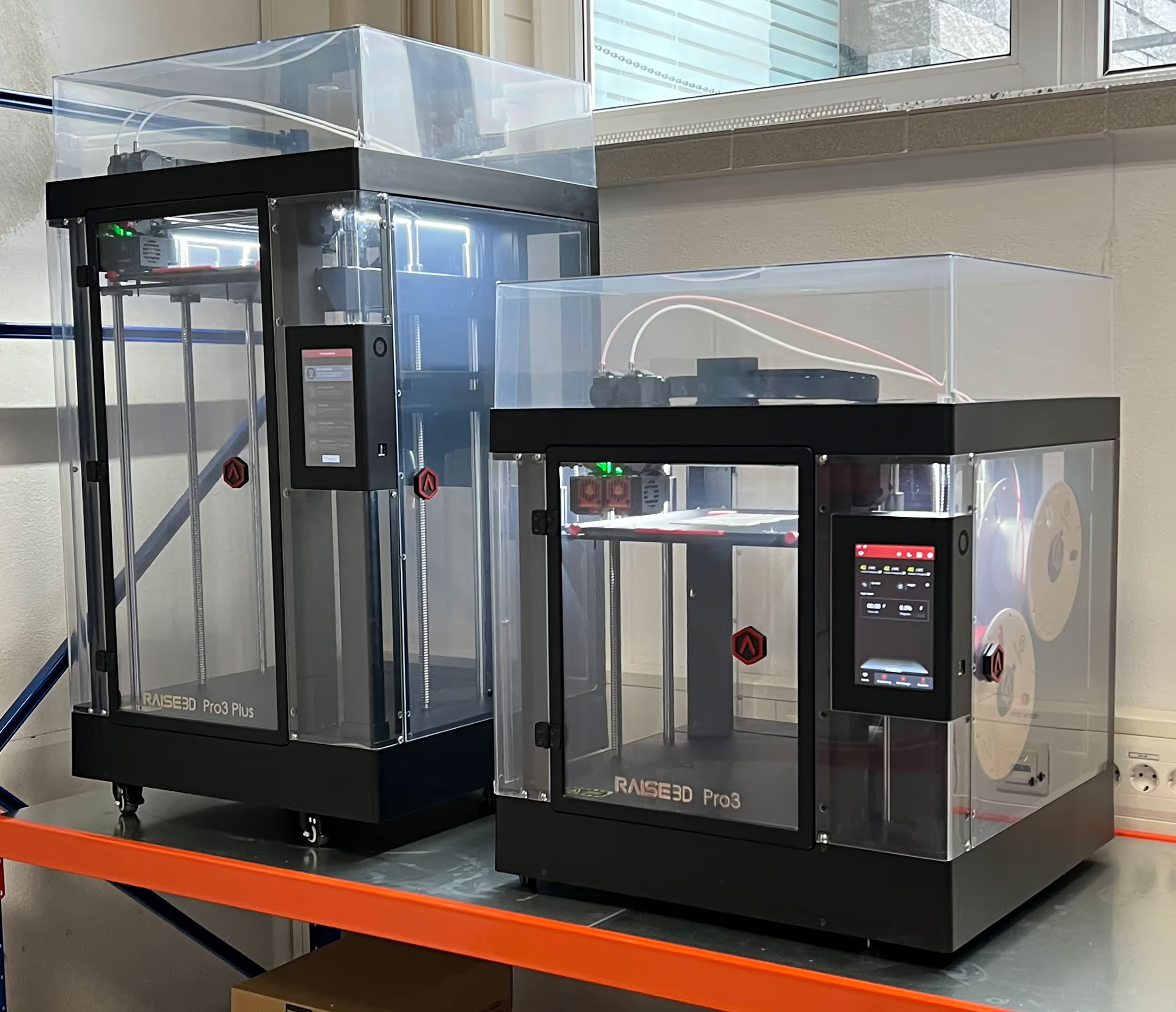
FDM — Fused Deposition Modeling
Fused Deposition Modeling (FDM) is a widely used process in the field of 3D printing, which is based on the layer-by-layer production of three-dimensional objects.

In fused deposition modeling, a thermoplastic wire, known as a filament, is melted through a heated nozzle.

This nozzle moves along the X and Y axes in a precisely controlled manner and applies the molten material layer by layer onto a construction platform.

After cooling, the material solidifies and forms a solid layer. This process is repeated layer by layer until the entire object is completed.
benefits
versatility
A wide range of colors and materials is available
Manufacturing costs
The materials are comparatively inexpensive, which also makes the products cheaper to manufacture
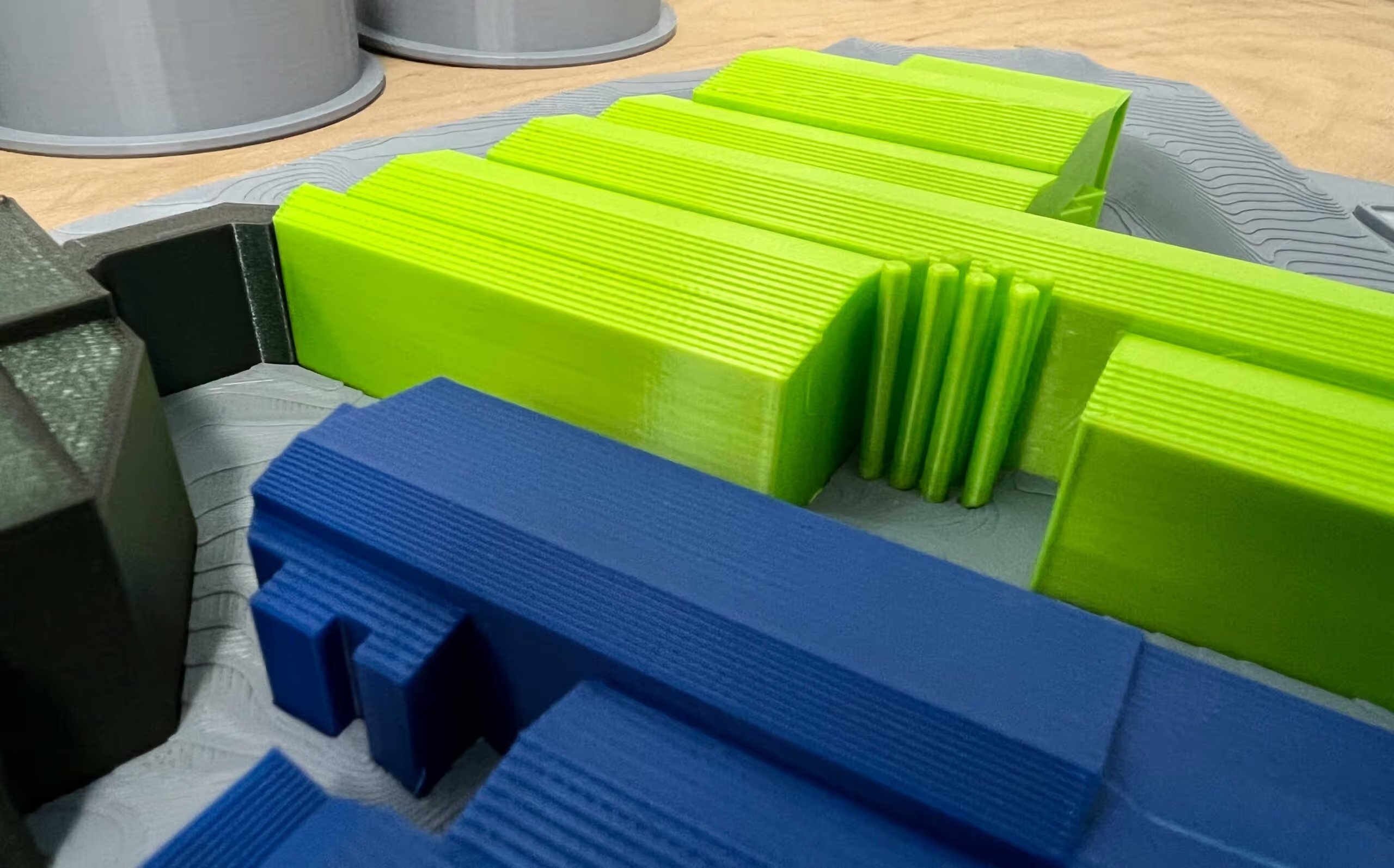
inkjet
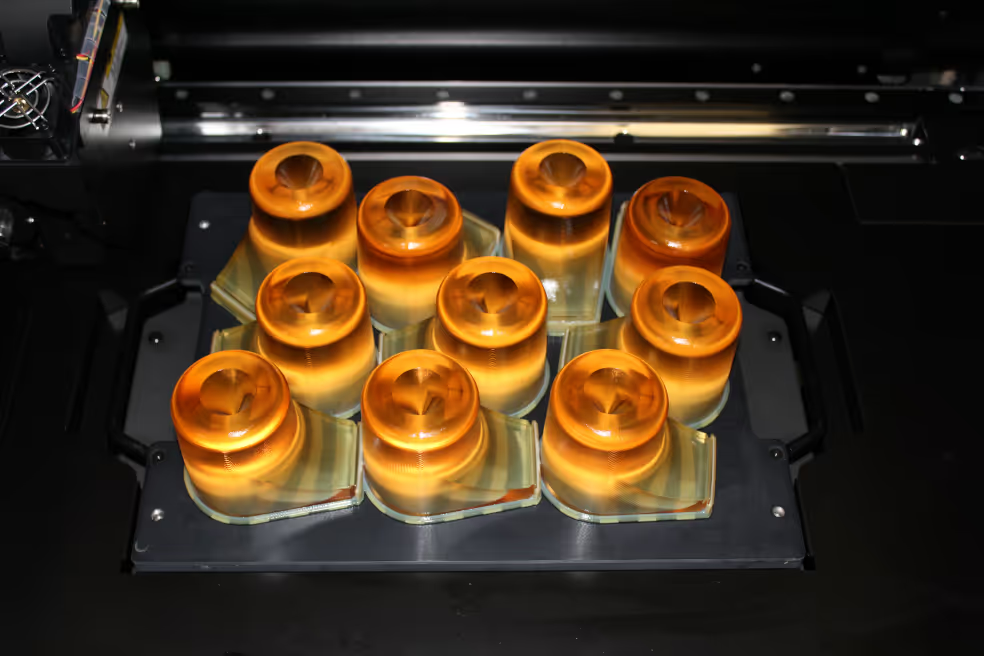
In the inkjet process, liquid photopolymers (synthetic resins) are applied layer by layer to the building platform through nozzles.

These nozzles work in a similar way to traditional inkjet printers. The material is placed exactly where it is needed.

It is applied in very fine layers and hardened by UV light.

The process is particularly suitable for creating precise and detailed models, as it offers high resolution and smooth surfaces.
benefits
High accuracy and attention to detail
Quick removal of support material
versatility